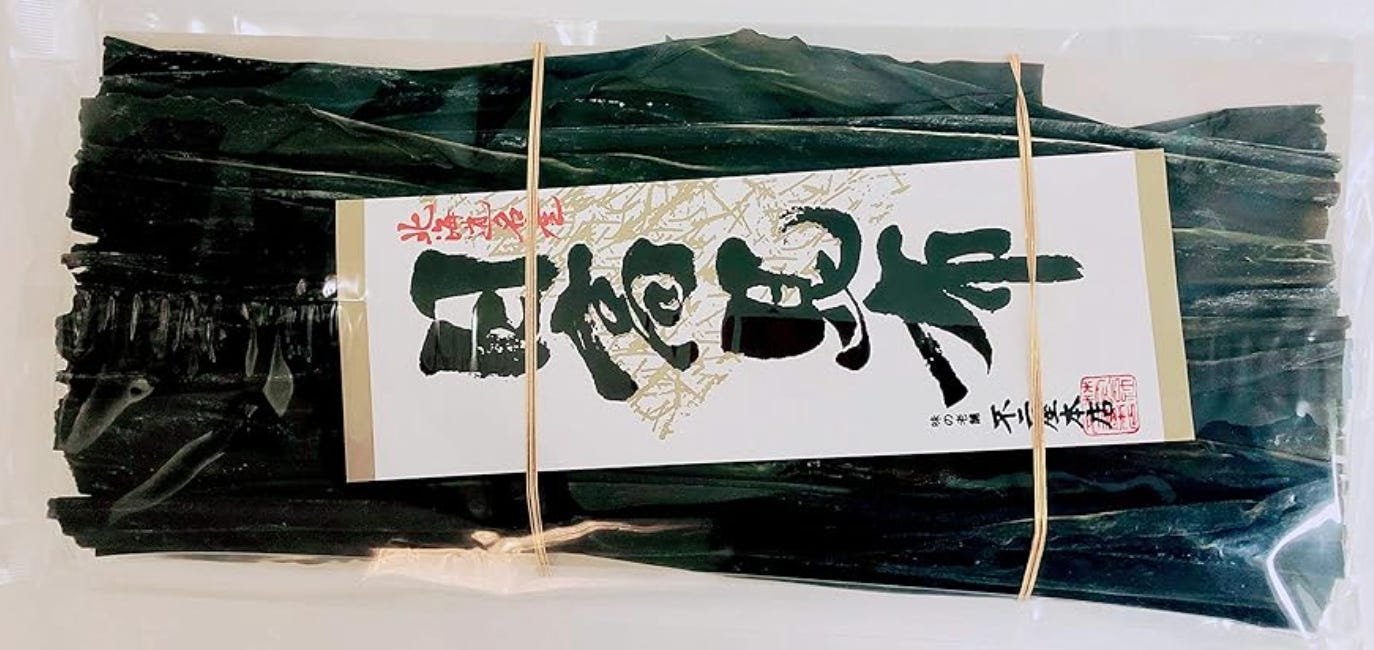
The Backbone of Japanese Cuisine
Before we talk about ramen, we need to talk about dashi. Because you cannot understand Japanese food—any of it—without understanding dashi first.
Dashi is the foundation of Japanese cuisine. Full stop. It’s in your miso soup. It’s in your dashimaki omelet. It’s in the broth at every soba shop and udon stall. It’s in simmered vegetables, in rice seasoning, in sauces you didn’t even know had it. When something tastes unmistakably Japanese—that clean, deep, savory quality that you can’t quite name—that’s dashi doing its job.
At its simplest, dashi is just dried seafood and seaweed steeped in water. That’s it. Kombu, katsuobushi, maybe some niboshi. It looks like nothing. Tastes like not much on its own—kind of like desalinated seawater with a whisper of smoke. And yet it is the single most important building block in the Japanese kitchen.
The reason is umami.
Why Dashi Matters: The Umami Engine
Let me get a little nerdy here, because this is the part that changed everything for me.
There are three main umami compounds in food. Glutamate is found in seaweed, soy sauce, aged cheeses, tomatoes, and fermented foods. Inosinate is found in meat, fish, and dried bonito. Guanylate is found in dried mushrooms. Each creates some umami on its own. But here’s the thing that matters:
When you combine glutamate with inosinate or guanylate, the umami doesn’t just add up. It multiplies.
Scientists call this umami synergy. In human taste tests, combining glutamate with inosinate amplifies the umami sensation up to eight times. Some studies show up to fifteen-fold. The molecules bind to your taste receptors in a way that locks the “umami” signal open longer and stronger. This is not a metaphor. It’s receptor-level chemistry, confirmed in labs around the world.
And dashi is the oldest, purest example of this synergy on the planet.